
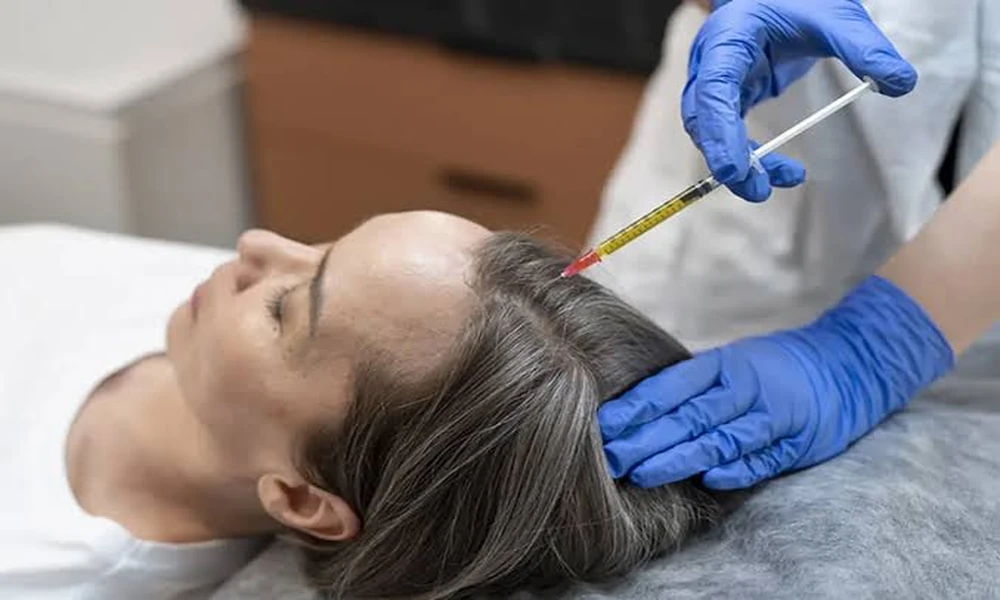

Hair loss does not develop in exactly the same way. A receding hairline presents different concerns from thinning across the crown. Diffuse shedding also needs a different assessment. PRP Hair Treatments in Melbourne can suit selected cases when active follicles remain. The better choice depends on the cause, scalp condition, treatment goals, and remaining density. A close assessment helps connect those factors before any sessions begin.
Hair Loss Patterns Shape Treatment Choices
The visible pattern often provides the first useful clue. Receding temples can involve gradual follicle miniaturization. Crown thinning may spread across a wider area. Diffuse shedding can affect density more evenly. Each pattern creates a different treatment focus. Therefore, the scalp needs assessment rather than assumption.
A practitioner may examine density and follicle strength first. Previous shedding can also reveal useful changes. Photographs offer another practical comparison over time. Together, these details help clarify the current stage.
Personal Goals Influence The Treatment Approach
Treatment makes more sense when personal goals remain clear. Someone concerned about shedding needs different priorities. Another person may mainly want thicker existing growth. A third person may focus on preserving current coverage.
Those differences can influence session planning and expectations. For instance, a person with mild thinning may priorities preservation. Someone with noticeable density loss may need broader management. The aim should match the condition rather than trend.
Scalp Condition Can Change PRP Suitability
Follicle health matters when considering platelet-rich plasma therapy. Active follicles provide a stronger basis for stimulation. However, sudden shedding may have another underlying cause. Nutritional changes, hormonal shifts, inflammation, or medication effects can contribute.
A scalp review can therefore prevent misplaced treatment choices. It can also identify concerns needing attention first. PRP Hair Treatments in Melbourne may become useful when suitable follicles remain and the cause supports treatment. That decision should follow assessment rather than guesswork.
When Should Hair Loss Treatment Begin?
Timing can affect how much useful density remains. Early thinning may leave more active follicles available. Delayed attention can allow progressive miniaturization to continue. Once follicles become severely damaged, options become more limited.
For that reason, noticeable changes deserve timely evaluation. Increased shedding can provide an early warning. A widening part can offer another clue. Receding edges may also indicate gradual progression.
Several signs can justify closer professional assessment:
- Hair appears thinner across familiar areas.
- Shedding continues beyond its previous pattern.
- The parting looks wider than before.
- Temple coverage gradually becomes less dense.
These changes do not confirm one diagnosis. They simply provide reasons for closer examination.
Individual Factors Affect Treatment Planning
Personal circumstances can influence the treatment pathway. Medical history may affect whether PRP remains appropriate. Current medicines also deserve consideration before treatment begins. Previous scalp procedures can provide useful background information.
A sensible plan may consider:
- Current density and follicle condition.
- The suspected cause of ongoing loss.
- Previous approaches and their results.
- The person’s preferred treatment goals.
- Follow-up needs after each session.
This creates a clearer connection between assessment and treatment.
Preserving Responsive Follicles Changes The Perspective
A person with thinning temples faces a different challenge from diffuse shedding. That distinction matters when choosing treatment. PRP should therefore form part of a broader assessment. The deeper value lies in matching intervention with follicle condition.
When responsive follicles remain, preservation becomes important. Waiting until density falls sharply can change the situation. Early attention may keep more choices available later. In that sense, treatment selection is also about protecting future options.
FAQs
Can PRP treat every form of hair loss?
PRP does not suit every underlying cause or condition. A scalp assessment helps determine whether follicles remain suitable.
Does early assessment make a difference?
Early assessment can identify changes before density falls substantially. It also helps separate shedding from progressive follicle miniaturization.
What affects an individual’s PRP treatment plan?
Follicle condition, medical history, goals, and previous treatment all matter. Scalp findings can further influence session planning and follow-up.
How can treatment progress be monitored?
Consistent photographs can reveal gradual changes more clearly. Professional reviews can add useful density and scalp observations.

