
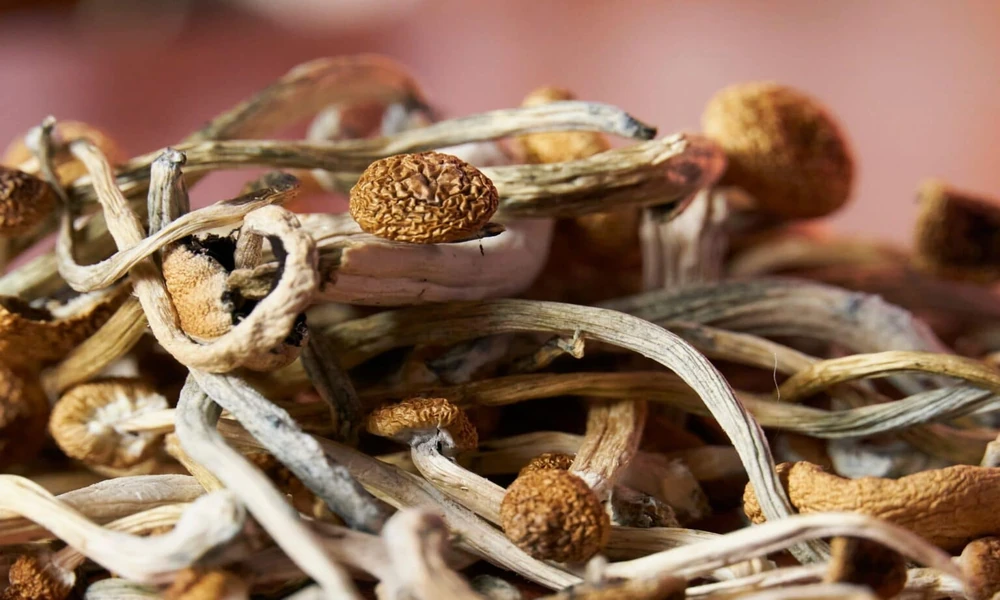

Mushroom gummies and THC gummies share a format and nothing else. THC connects directly to CB1 and CB2 receptors in the endocannabinoid system. Functional mushroom compounds work through separate pathways entirely: nerve growth factor stimulation, immune modulation, and adaptogenic stress response. None of that involves cannabinoid receptor activity. Someone taking a mushroom gummy and expecting a THC-style experience is going to conclude the product does not work when it is actually doing something quite different on a completely different timeline. BudPop’s thc and mushroom gummies breakdown maps the formulation difference between these two product categories in practical terms. Reading it before the first use produces a more accurate set of expectations than discovering the distinction afterwards.
1. Mushroom type is not interchangeable
A lion’s mane, a reishi, and a cordyceps produce three different effects. Brain function and nerve growth factor are related to lion’s mane. Reishi modulates immune function and stress. Energy metabolism and physical endurance are related to cordyceps. When lion’s mane alone is added, a gummy differs from one based on just lion’s mane. Knowing which mushroom is present and in what amount is more useful than reading the general health claims on the front of the packaging.
2. Extraction method changes what gets delivered
While the two product formats have similar milligram counts, raw mushroom powder and dual-extracted concentrate are different. Water and alcohol are used to pull beta-glucans and triterpenes, active compounds not present in raw powder. If you advertise 500mg of raw powder, you may deliver less active ingredient than you advertise, 200mg. A milligram number without an extraction context is incomplete.
3. Consistency produces results
One gummy on one day tells nothing. The compounds in functional mushrooms require daily intake across weeks before the physiological changes they support become noticeable. Treating mushroom gummies as an on-demand product and then concluding they do not work after three uses is the most consistent source of disappointment with this category. Daily use across a minimum of two to three weeks is the baseline for any honest assessment of whether a product is doing anything.
4. Stacking with thc changes the experience
Products combining functional mushrooms with THC in a single gummy are not simply adding effects together. Reishi’s calming properties alongside THC can deepen relaxation past what either compound produces on its own. THC and Cordyceps are unusually combined to provide energy and psychoactive effects. Ingredient lists matter considerably more when combining these categories than when combining single-compound products.
5. Storage degrades active compounds invisibly
Functional mushroom compounds break down with heat and moisture exposure faster than most people anticipate. A gummy left in a warm environment loses bioavailable compound content in ways that are not visible from the outside. The texture looks the same. The colour looks the same. The active content has diminished. Cool, dry storage away from direct light is the condition that keeps the formulation close to its original specification, rather than an optional suggestion.
6. Dose listed may not reflect bioavailable content
A 500mg label might refer to raw powder or a much smaller amount of concentrated extract. There is a difference between these products. Milligrams alone are not enough to measure potency. Products that specify the extraction method and active compound percentages are giving genuinely useful information. Products that list only total mushroom content are leaving out the part that actually matters for assessing what the dose will deliver.
Gummies are more of a daily practice than a one-time experiment. Cannabinoids do not reward consistency and patience in the same way. A product’s actions become clearer over time than from isolated experiments.

